
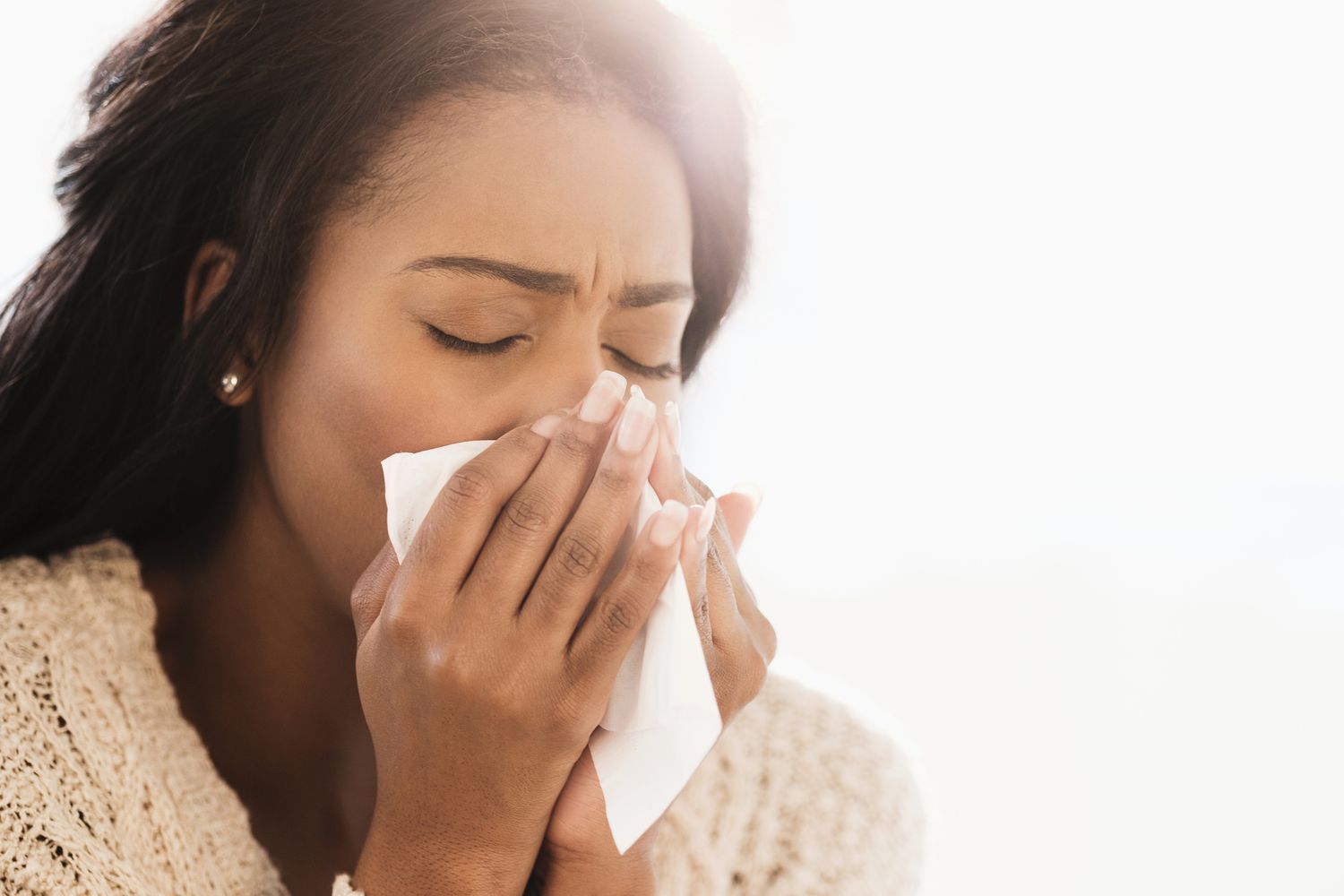
You wake up to a tickle in your throat. The window looked harmless last night. Morning breeze now carries itch and pressure. A short walk becomes an unexpected challenge. You wonder if this is a cold. Your voice sounds thin and scratchy. The day already feels longer than planned.
What drives allergy season symptoms?
Allergens meet airway linings and spark immune signals. Histamine and other messengers cause swelling and mucus. Airways narrow slightly and feel tight with effort. Nerves become more reactive to temperature shifts. Cough follows small triggers that usually pass unnoticed. Sensitive sinuses add pressure above the cheeks. Breathing feels labored despite quiet surroundings.
Which symptoms deserve attention now?
Watch for a wheeze that appears with exertion. Note chest heaviness after stair climbing. Track cough that wakes you at night. Observe itchy eyes with watery discharge. Notice a runny nose that changes during day. Pay attention to breathlessness while speaking full sentences. Record any fever, which suggests another cause.
How do allergies differ from colds?
Allergies often present without fever or body aches. Symptoms appear quickly after exposure and improve indoors. Colds usually develop gradually after a contact. Thick green mucus favors infection over allergy. Itchy eyes favor allergy in many cases. Sore throat can occur with both conditions. Duration patterns help clinicians decide next steps.
Why do mornings and evenings feel worse?
Pollen levels often rise during early morning hours. Evening air cools and traps irritants near ground. Indoor dust accumulates overnight in bedding. Humidity shifts change airway comfort rapidly. Traffic peaks add exhaust particles to airways. Exercise at sunrise may push symptoms harder. Knowing patterns helps you plan routines better.
What home habits reduce flare ups?
Keep windows closed on high pollen days. Use air conditioning with clean filters. Change pillowcases more frequently during peaks. Shower after outdoor time to remove pollen. Mop floors instead of dry sweeping indoors. Keep indoor humidity moderate for comfort. Simple habits often beat complex gadgets.
How should you approach medicines safely?
Non drowsy antihistamines can ease sneezing and itch. Nasal steroid sprays reduce swelling when used consistently. Saline rinses wash allergens from nasal passages gently. Inhaled relievers help wheeze during short episodes. Discuss timing with your clinician for best effect. Avoid stacking medicines without a clear plan. Write doses on a visible calendar.
What about inhalers and spacers?
Many quick relievers work better with a spacer. Spacers help deep delivery with fewer side effects. Shake the inhaler and seal lips around mouthpiece. Breathe in slowly and hold for several seconds. Rinse mouth after steroid inhaler use. Track puffs to avoid running out suddenly. Ask your pharmacist to review technique yearly.
How does exercise fit safely?
Movement supports lung function and mood. Warm up longer on high pollen days. Breathe through your nose during easy efforts. Choose indoor workouts when counts are high. Carry your reliever if cold air bothers you. Cool down slowly to prevent late tightness. Hydrate before and after short sessions.
How can you track triggers wisely?
Keep a compact symptom notebook by the door. Record time, place, and activity with brief notes. Add wind conditions if you live near fields. Note indoor cleaning or pet time that day. Patterns appear within two weeks of tracking. Adjust routines using your most frequent triggers. Small edits often yield steady relief.
Where does diet play a role?
Balanced meals support steady energy through peaks. Some people notice oral itch after certain fruits. This pattern appears with related pollen families. Cooking those foods often reduces the reaction. Hydration keeps mucus thinner and easier. Limit late heavy meals that disturb sleep. Gut comfort supports calmer breathing at night.
How do kids manage symptoms at school?
Share an action plan with the school nurse. Label inhalers and spacers with clear instructions. Teach older kids to notice early warning signs. Encourage hand hygiene during peak seasons. Ask teachers about classroom ventilation checks. Plan indoor play options on very high days. Keep an extra bottle of saline spray ready.
What travel plans help during peaks?
Check seasonal calendars for your destination region. Pack your usual medicines in original boxes. Carry a small saline spray and a mask. Choose rooms away from heavy traffic roads. Request non smoking floors for cleaner air. Schedule light activities on arrival day. Share your plan with travel partners early.
When should you call for help?
Call if breathing feels tight at rest. Seek care if speaking full sentences becomes hard. Report nighttime wheeze that persists after reliever. Call for chest pain with breathlessness quickly. Ask about fever that accompanies nasal symptoms. Contact your clinician after repeated reliever use. Early support prevents longer setbacks.
According to our editor’s research, what helps most?
According to our editor’s research, consistency beats intensity. People who rinse with saline nightly report fewer flare ups. Those who clean filters monthly breathe easier indoors. Short morning checks predict better daily pacing. Simple calendars reduce missed doses during busy weeks. Small habits compound into steadier breathing days.
As a result of our editor’s reviews, which tools work smoothly?
As a result of our editor’s reviews, certain basics stand out. Spacers improve inhaler delivery across age groups. Portable humidifiers help in very dry hotels. Eye lubricants reduce rubbing that worsens itch. Washable masks help during windy outdoor chores. These tools are low effort and reliable.
How can workplaces reduce symptoms?
Advocate for regular filter maintenance in offices. Ask to move away from heavy printers. Request meeting spaces with good ventilation. Keep scent free policies during allergy peaks. Schedule short breaks for gentle nasal rinses. Store a spare reliever in your desk drawer. Small adjustments protect attention and output.
What about local conditions and alerts?
Regional pollen calendars guide weekly planning well. Weather and environment agencies publish air quality updates. Health ministries share seasonal guidance each year. Occupational bodies advise on dust exposure at work. These sources help with practical decisions daily. Ask your clinic how to interpret local indices. Align routines with your region’s specific patterns.
Why do showers and clothing changes matter?
Pollen clings to hair and clothing fibers easily. A quick shower removes many surface irritants. Changing clothes prevents pollen from spreading indoors. Leave shoes by the door during peak weeks. Wash pillowcases more frequently during heavy days. These steps reduce nighttime triggers noticeably. Comfort improves after only a few days.
How should you plan for sleep?
Aim for regular bedtimes during peak season. Keep the room cool and comfortably quiet. Run air conditioning or a cleaned purifier. Elevate the head slightly during congestion. Avoid screens in the last hour before sleep. Keep water at bedside for dry mouth. Protect sleep to support daytime breathing resilience.
Why does posture affect breathing comfort?
Hunched posture compresses upper airway space. Gentle stretches open the chest and ribs. Short breaks loosen neck and shoulder tension. Nasal breathing improves with upright alignment. Singers use similar techniques before performances. You can copy those cues during work hours. Better posture reduces effort during light tasks.
How do saline rinses help practically?
Saline lowers irritant load in nasal passages. It also thins thick secretions for easier drainage. Use sterile or previously boiled water for safety. Keep bottle or pot clean between uses. Start with gentle flows to avoid discomfort. Follow your clinician’s instructions for frequency. Many people like a brief rinse after commutes.
What role does humidity actually play?
Very dry air irritates sensitive airways quickly. Very humid air can feel heavy and sticky. Aim for a middle range that feels comfortable. Monitor with a simple room hygrometer. Adjust with a humidifier or dehumidifier as needed. Avoid strong scents in these devices. Comfort improves when humidity stays stable.
Why is hand hygiene still important?
Hands bring allergens to eyes and nose. Washing reduces that transfer during busy days. Use unscented soap to avoid fragrance irritation. Carry sanitizer for moments without sinks. Avoid rubbing eyes during peak itch episodes. A short pause prevents longer scratching cycles. Small discipline saves many uncomfortable minutes.
How can you prepare for outdoor chores?
Plan yard work after rain when pollen drops. Wear a washable mask during mowing tasks. Rinse face and hands immediately after finishing. Change shirts before resting on furniture indoors. Drink water to thin secretions afterward. Store tools outside to avoid indoor contamination. Keep chores short on very windy days.
What signs suggest undiagnosed asthma?
Repeated wheeze with exercise may indicate more. Night cough that recurs deserves evaluation. Breathlessness outpaces effort during light tasks. Chest tightness follows laughter or cold air. Family history sometimes adds context for clinicians. Spirometry can clarify airway behavior quickly. Timely diagnosis improves control and comfort.
How does stress interact with symptoms?
Stress heightens airway sensitivity for many people. Breathing becomes shallow during tense moments. Short pauses restore slower rhythms and ease. Pair pauses with gentle belly breaths daily. Relaxation routines help during evening wind downs. Consistency makes these routines more effective. Calm supports better sleep and better breathing.
Where do official recommendations fit in?
Public health agencies publish seasonal advice each year. Allergy and respiratory societies share best practice updates. Occupational bodies advise on safe workplace exposure. Meteorological services maintain pollen observations and forecasts. These institutions guide clinics and families alike. Their guidance supports everyday decisions during peaks. Ask your clinician how recommendations apply locally.
What should parents watch in children?
Children may not describe chest tightness clearly. Watch for belly breathing during playtime. Listen for nighttime cough that persists. Notice fatigue after routine school activities. Share a simple plan with caregivers and teachers. Keep medicines accessible in labeled containers. Encourage play indoors on very heavy days.
How do you prepare for a busy week?
Check the week’s expected air quality levels. Refill medications before they run low. Schedule indoor exercise and humidifier maintenance. Plan groceries that support quick meals. Wash masks and change filters on time. Block early bedtimes during the heaviest days. Preparation lowers stress and fewer steps feel hard.
Can simple metrics guide your week?
Note morning symptoms on a small scale. Track nightly awakenings and reliever puffs. Record steps or minutes of gentle activity. Watch how humidity affects sleep quality. Review the week each Sunday evening. Adjust one habit rather than many. Small changes become durable routines over months.
What should you remember during setbacks?
Peaks can overwhelm good routines occasionally. Do not judge a rough day harshly. Return to basics that worked last month. Call your clinic early if patterns persist. Ask for a review of your plan. Seek clarity on timing and dosing details. Progress resumes once the plan fits again.
Which signals mean emergency care now?
Sudden severe breathlessness requires urgent help. Blue lips or face demand immediate action. Stridor or noisy breathing at rest is urgent. Speaking only single words signals distress. Chest pain must be assessed quickly. Dizziness with breathlessness needs prompt evaluation. Do not drive yourself during severe symptoms.
How do communities support cleaner air?
Community actions add up during heavy seasons. Workplaces can maintain regular filter schedules. Schools can plan indoor recess during severe days. Transport systems can protect vulnerable staff with rotations. Local sports clubs can adjust practice times. Families can share simple checklists among neighbors. Shared habits make neighborhoods more resilient.