
A neighbor once told me how a mild seasonal infection left him unexpectedly short of breath while climbing just a few steps, and his surprise echoed what many people feel when breathlessness appears suddenly and disrupts daily comfort. These moments often feel alarming because breathing is something we rarely think about until it becomes difficult. According to our editor’s research, many people try to manage breathlessness using complicated strategies even though simple home routines often bring meaningful relief. This article highlights gentle, practical methods that feel natural in everyday life while keeping the tone warm and reassuring for anyone experiencing these symptoms.
What causes breathlessness at home?
Breathlessness can appear for many reasons, and understanding the background helps you respond calmly. When the lungs struggle to move air efficiently, even small tasks feel harder. Congestion, infections or allergies can narrow airflow. Anxiety can tighten breathing muscles without warning. As a result of our editor’s reviews, many people confuse breathlessness related to stress with that related to physical illness, which can create unnecessary worry. The body signals discomfort through rapid breathing or a sense of chest pressure. Recognizing these patterns helps you choose the right response. When you understand the cause, the situation feels less overwhelming. Calm awareness supports better breathing control at home.
How can posture help you breathe easier?
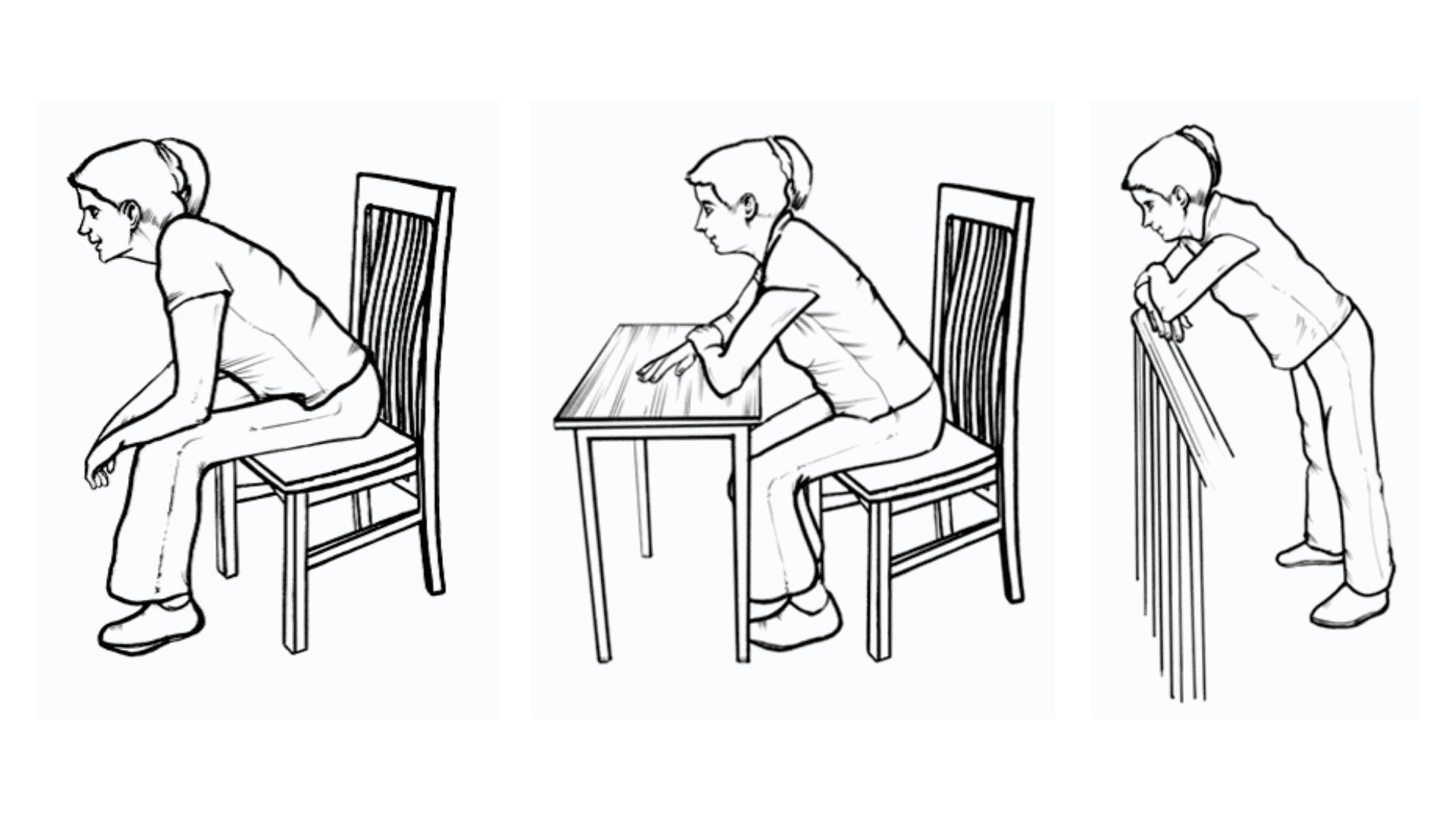
Posture influences how the lungs expand and contract. When you slouch or lie flat, the chest has less room to move. Sitting upright encourages smoother airflow. According to our editor’s research, small posture changes often bring quicker relief than expected. Leaning slightly forward while resting your hands on your thighs helps relax breathing muscles. Many people find comfort in sitting near a window where fresh air feels more soothing. Practicing simple posture adjustments helps make breathlessness more manageable. These gentle habits become easier with repetition. Keeping your body aligned supports lung expansion throughout the day.
Why does slow breathing reduce discomfort?
Breathlessness often becomes worse when breathing speeds up. Rapid breathing uses extra energy and increases anxiety. Slow breathing interrupts this cycle and gives your muscles time to relax. As a result of our editor’s reviews, simple counting techniques help people regain control. Breathing in slowly for a few seconds and exhaling longer helps the body release tension. The rhythm signals safety to the nervous system. Practicing slow breathing during calm moments makes it easier to use during stressful episodes. With time, slow breathing becomes a natural response. Many people describe it as grounding and steadying.
What is pursed-lip breathing and why is it helpful?
Pursed-lip breathing is a gentle technique that slows airflow and helps keep airways open longer. It involves inhaling through the nose and exhaling slowly through pursed lips. According to our editor’s research, this method reduces air trapping and eases chest pressure. It also prevents panic by creating a predictable pattern. Many people use this technique during mild asthma symptoms, anxiety episodes or post-exercise breathlessness. Practicing it a few minutes daily builds familiarity. When breathlessness appears unexpectedly, your body remembers the rhythm. This makes the technique especially valuable in home settings.
How does creating airflow improve comfort?
Fresh airflow can make breathing feel easier by reducing the sensation of stuffiness. Opening a window encourages natural ventilation. Using a fan helps air move across the face, which creates a cooling effect. As a result of our editor’s reviews, even light airflow reduces panic sensations during breathlessness episodes. The cool air stimulates receptors that signal improved breathing. Many people underestimate how strongly airflow influences comfort. Sitting near a gentle source of fresh air often provides immediate relief. The simplicity makes it easy to include in daily routines. Airflow supports a calmer breathing pace throughout the day.
How can hydration support breathing ease?
Hydration keeps mucus thinner, which helps air move more easily through the lungs. Dry airways feel tighter and restrict airflow. According to our editor’s research, regular sipping helps maintain moisture balance. Warm drinks like herbal tea soothe irritated passages and relax chest muscles. Many people forget to hydrate during busy days, which increases breathlessness. Keeping water within reach encourages steady intake. Hydration also supports overall energy levels, making daily tasks feel more manageable. This simple habit improves comfort without requiring complex planning.
What role does gentle movement play?
Light movement helps maintain circulation and prevent stiffness around the chest. Slow walking encourages natural breathing rhythms. As a result of our editor’s reviews, people who practice gentle movement during mild breathlessness experience faster recovery. Moving slowly prevents extra strain while still supporting lung function. Stretching the upper body helps release tightness around the ribs. These movements are not exercise routines but gentle ways of reconnecting with your breath. When done regularly, they improve confidence and reduce fear. Simple movements create space for calmer breathing.
How does staying calm influence breathlessness?
Anxiety increases breathlessness by tightening muscles, speeding breathing and reducing airflow. Calm awareness interrupts this cycle. According to our editor’s research, grounding techniques like noticing physical sensations or focusing on slow exhalations help quickly. Reminding yourself that the episode will pass reduces panic. Sitting in a familiar, comfortable place also helps stabilize the mind. Many people find relief by engaging in quiet activities like listening to soft sounds or observing simple objects. Calmness brings stability to your breathing pattern. Emotional balance supports physical comfort.
What strategies help during nighttime breathlessness?
Nighttime breathlessness feels more frightening because the quiet atmosphere highlights every sensation. Sleeping with your head slightly elevated helps maintain airway openness. As a result of our editor’s reviews, people who use extra pillows or adjustable beds feel fewer nighttime episodes. Keeping the room cool and well ventilated supports easier breathing. Slow breathing techniques also help during sudden awakenings. Avoiding heavy meals before sleep reduces pressure on the diaphragm. Creating a calming bedtime routine prepares the body for restful breathing. These routines reduce nighttime anxiety and support peaceful rest.
How can you manage breathlessness during illness?
Illness often worsens breathlessness because congestion increases. Resting more frequently gives the lungs time to recover. Hydrating consistently prevents mucus from thickening. According to our editor’s research, people with colds or mild infections benefit from warm steam inhalation. Warm steam loosens tightness in the chest and nose. Gentle stretching helps maintain comfort. Avoiding strenuous activity until breathing stabilizes prevents extra strain. Simple home care supports recovery during mild illnesses. The body responds well to steady, calm routines.
Why is monitoring your symptoms important?
Breathlessness changes over time, and noticing patterns helps you understand your triggers. Sudden episodes may relate to stress or physical exertion. Persistent symptoms may signal other issues. As a result of our editor’s reviews, keeping mental notes helps you respond wisely. Noticing what improves your breathing guides future home care. Observing changes calmly prevents unnecessary fear. Many people feel empowered when they understand their own symptoms. Awareness supports healthier decision-making at home.
How does environment affect breathing ease?
Humidity, temperature and air quality influence your lungs. Dry environments increase irritation. Dust or strong fragrances may worsen symptoms. According to our editor’s research, gentle ventilation and clean surroundings support better comfort. Avoiding heavy cleaning sprays reduces irritation. Keeping fabrics and surfaces fresh improves air quality. Many people find that small environmental adjustments produce surprising relief. Creating a soothing home atmosphere supports steadier breathing. These changes require minimal effort but bring meaningful comfort.
What should you avoid when breathless?
Avoid holding your breath because it increases pressure. Avoid lying flat during episodes because it restricts lung expansion. As a result of our editor’s reviews, people feel worse when they panic or move too quickly. Avoid cold dry air because it tightens the airways. Avoid large meals before bedtime because they slow breathing. These small avoidances make management easier. Knowing what to avoid prevents unnecessary discomfort at home.