
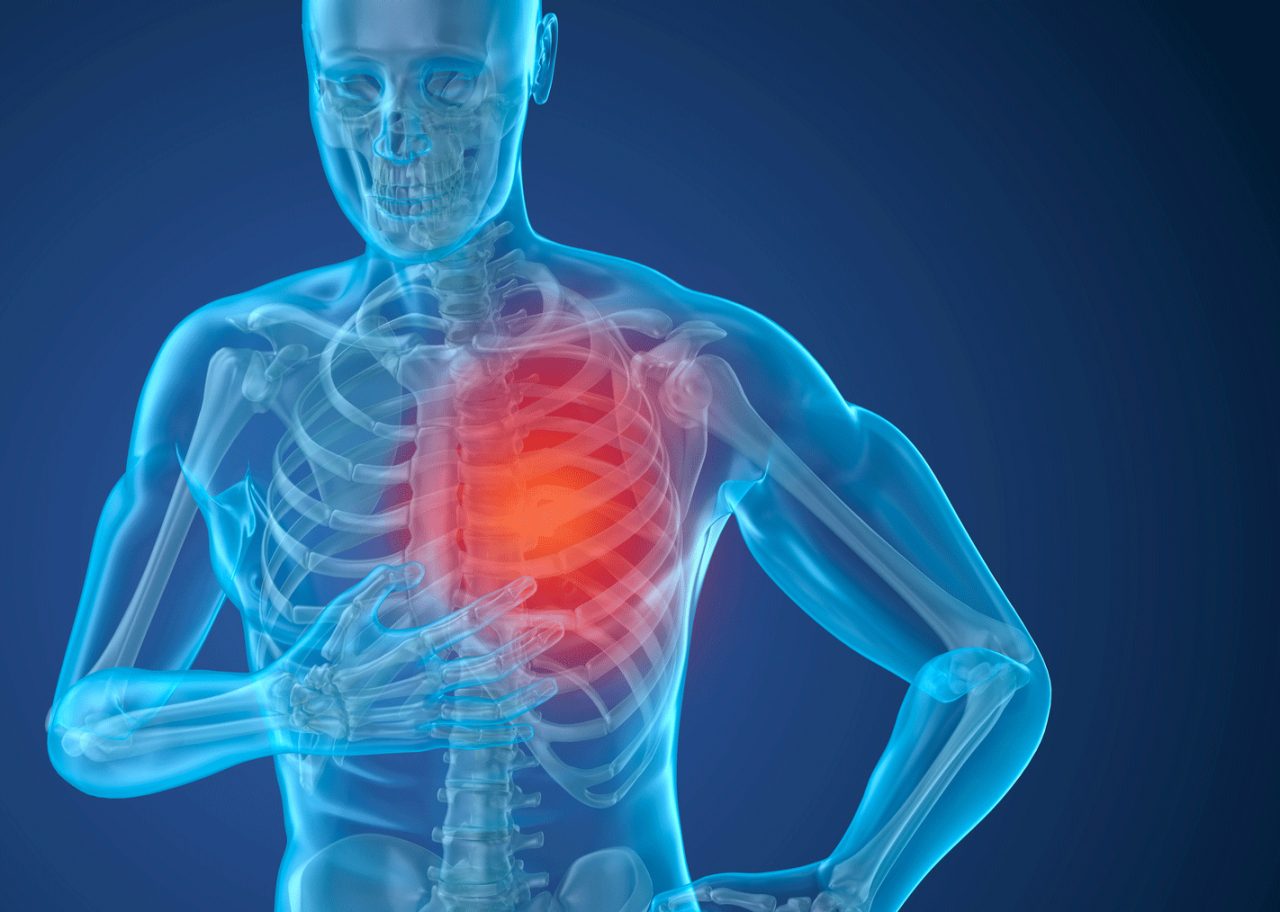
Understanding pulmonary hypertension symptoms and diagnostic methods is essential for early recognition because this condition often progressUnderstanding pulmonary hypertension symptoms and diagnostic methods is essential for early recognition because this condition often progresses quietly while mimicking other common illnesses that mislead patients during early stages.
es quietly while mimicking other common illnesses that mislead patients during early stages.
What makes pulmonary hypertension difficult to notice?
Pulmonary hypertension often develops quietly at first. Symptoms appear mild and inconsistent in many patients. Shortness of breath may be mistaken for simple fatigue. Chest discomfort resembles everyday stress reactions. Lightheadedness feels like dehydration or anxiety. According to our editor’s research, most people misread early symptoms. This confusion delays proper evaluation for months. Early recognition requires attention to subtle patterns. Families often overlook these signs unintentionally.
Why does shortness of breath create diagnostic confusion?
Shortness of breath is a common complaint. Many conditions produce the same symptom easily. Patients assume they are out of shape. Others believe stress affects their breathing. Physical activity becomes harder without clear explanation. According to our editor’s reviews, shortness of breath is the most overlooked sign. Pulmonary hypertension restricts blood flow to the lungs gradually. This causes breathing difficulty without obvious triggers. Proper testing reveals hidden vascular changes.
How does fatigue disguise pulmonary hypertension?
Fatigue appears in many unrelated conditions. Patients often blame poor sleep patterns. Others believe workload causes their exhaustion. Pulmonary hypertension reduces oxygen delivery slowly. Daily tasks feel harder over time without warning. This pattern creates a false sense of normal adaptation. As a result of our editor’s reviews, fatigue remains the most nonspecific symptom. Clinicians look for fatigue combined with breathlessness. This pairing suggests deeper cardiovascular issues. Early testing becomes essential for clarity.
Why can chest pressure resemble other illnesses?
Chest pressure often alarms patients immediately. Many fear cardiac disease first. Others assume muscular strain causes discomfort. Pulmonary hypertension increases strain on the heart gradually. This creates unusual sensations behind the sternum. According to our editor’s research, chest pressure is frequently misinterpreted. Symptoms worsen during exertion more than rest. This detail helps differentiate pulmonary causes from others. Recognizing this pattern guides timely assessment.
What role does dizziness play in misdiagnosis?
Dizziness stems from numerous medical problems. Blood pressure changes cause similar sensations. Inner ear disorders also create imbalance. Pulmonary hypertension limits oxygen circulation. This triggers dizziness during simple activities. Patients rarely associate it with lung pressure. As a result of our editor’s reviews, dizziness misleads clinicians repeatedly. Recurrent episodes require careful cardiovascular evaluation. Persistent dizziness should never be ignored.
Why is swelling in the legs an important clue?
Leg swelling suggests circulation problems. Many patients think it results from long sitting hours. Others attribute swelling to diet or salt intake. Pulmonary hypertension affects the right side of the heart. This reduces blood return from the lower body. According to our editor’s research, edema becomes noticeable later. Swelling increases gradually and persists daily. This sign indicates advancing disease severity. Timely management improves comfort significantly.
How can fainting episodes indicate pulmonary hypertension?
Fainting episodes frighten patients instantly. Most believe low blood sugar is responsible. Others consider dehydration a likely cause. Pulmonary hypertension limits blood flow during exertion. The brain receives less oxygen temporarily. According to our editor’s reviews, fainting is a late-stage signal. Syncope occurs when pressure rises significantly. This symptom requires urgent evaluation without delay. Fainting never should be dismissed casually.
Why does exercise intolerance appear early?
Exercise intolerance develops before severe symptoms. Patients feel unusually tired during mild activities. Climbing stairs becomes challenging quickly. Routine walks feel harder without explanation. Pulmonary hypertension restricts lung circulation gradually. According to our editor’s research, exercise intolerance appears earlier than expected. This makes it a valuable diagnostic clue. Many patients ignore this sign for months. Awareness of early limitations improves outcomes.
How do doctors diagnose pulmonary hypertension accurately?
Diagnosis begins with detailed symptom assessment. Clinicians examine medical history thoroughly. Physical exams reveal subtle cardiovascular changes. Echocardiography identifies pressure abnormalities quickly. Blood tests help rule out secondary causes. According to our editor’s reviews, imaging provides essential clarity. Chest scans reveal structural complications clearly. Right heart catheterization confirms final diagnosis. This procedure measures internal pressure directly.
What tests help distinguish pulmonary hypertension from similar illnesses?
Many conditions mimic pulmonary hypertension. Asthma causes breathing difficulty frequently. Anxiety triggers rapid breathing episodes. Heart failure produces similar fatigue patterns. Clinicians use targeted testing to differentiate these issues. Echocardiograms indicate right heart strain. Pulmonary function tests reveal airway conditions. According to our editor’s research, combined testing reduces misdiagnosis. Blood markers identify autoimmune triggers occasionally. Imaging clarifies suspicions effectively.
Why is early diagnosis so important?
Early diagnosis prevents severe complications. Untreated pulmonary hypertension progresses steadily. Patients experience worsening breathlessness quickly. Heart strain increases as pressure rises. According to our editor’s reviews, early treatment slows progression. Timely intervention improves quality of life significantly. Families benefit from clear explanations early on. Early care extends long-term survival outcomes. Awareness plays a crucial role in diagnosis.
How can patients recognize concerning patterns?
Patients should monitor recurring symptoms consistently. Breathlessness during mild activities deserves attention. Persistent fatigue often indicates deeper issues. Swelling in the legs requires medical review. According to our editor’s research, symptom patterns reveal useful clues. Chest pressure combined with dizziness becomes meaningful. Fainting episodes require immediate evaluation. Recognizing these patterns empowers patients. Awareness supports faster diagnosis effectively.